
The information we provide is not intended to be a substitute for professional medical advice, diagnosis or treatment. It should not be used in place of the advice of your physician or other qualified healthcare providers. Recovery from alcohol addiction is a lifelong journey that requires dedication, self-awareness, and strong support. However, relapse is a common part of the process, with studies showing that 40-60% of people in recovery experience at least one relapse. While relapse doesn’t mean failure, identifying and managing triggers is crucial for maintaining long-term sobriety.
Cravings
You’ll meet hundreds of fellow Reframers in our 24/7 Forum chat and daily Zoom check-in meetings. Receive encouragement from people worldwide who know exactly what you’re going through! You’ll also have the opportunity to connect with our licensed Reframe coaches for more personalized guidance. Support from loved ones can provide emotional strength and encouragement. It’s important to communicate openly with them about alcoholism treatment your needs and challenges. Refine Recovery is available 24/7 to discuss your treatment options.

Risk Factors for Relapse
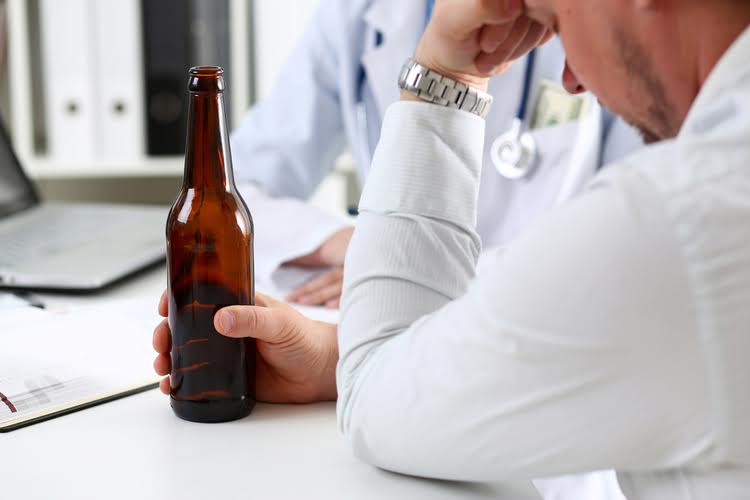
For example, places that you may have never thought twice about going may now be triggers such as bars, restaurants, sporting events or music festivals that promote alcohol use as a part of our everyday culture. During this stage, recovering alcoholics must confront the damage their addiction caused to relationships, their careers, their finances, and how they feel about themselves. Ask yourself questions like, “are you giving yourself enough time to rest? ” If the answer to these questions is no, it might be time to take a step back and practice self-care. You might also want to share your feelings with a support group or counselor. Understanding these stages and what to do when they appear can help stop a relapse before it takes effect.
Relapse Risk Factors
Relapse doesn’t happen immediately; rather, it is a gradual process that is different for each person. The process of relapse starts weeks and even months before you consume alcohol or ingest drugs into your system.3 Relapse occurs in three stages that include emotional, mental, and physical. Remember, a relapse doesn’t mean you have failed; it simply means you may need to adjust previous treatment plans. If you are ready to find treatment options for yourself or a loved one, get started right now with our free rehab locator tool. Find addiction treatment facilities that take insurance, inpatient rehabs, outpatient rehab programs, and more. Write out both your recovery plan and your relapse prevention plan.
Life After Inpatient Rehab: Building a Strong Foundation for Long-Term Recovery
For opioid relapse, medications such as methadone, buprenorphine, and naltrexone stabilize brain chemistry and prevent withdrawal. Regular medical monitoring ensures adherence and adjusts dosages to manage side effects. If a person begins drinking again and doesn’t stop, this can be highly hazardous for their recovery. When a relapse happens at this stage, the damage can be irreversible. If a person returns to their old drinking habits, they may find it difficult to escape from them again. Doing this will prevent them from taking positive steps in recovery.
During this stage, the main focus is fighting cravings and avoiding alcohol use. BetterHelp offers affordable mental health care via phone, video, or live-chat. Sometimes, someone trying to quit alcohol doesn’t have a strong support system. For those seeking addiction treatment for themselves or a loved one, our calls are confidential and are available for 24/7 help. Naomi Carr is a qualified mental health nurse with several years of experience working with children and adults in the UK.
Making Adjustments to the Plan
Addiction is a brain disease and, as such, may involve disruptions to certain brain circuits and neural processes Alcohol Relapse as a result of chronic drinking and/or drug use. Pathways involved in how a person feels pleasure and processes rewards, memory, and decision-making can be altered through substance use. With repeated use, alterations in brain chemistry and functioning can result in the development of substance dependence. Once a person becomes significantly physically dependent, withdrawal symptoms and drug cravings may be common side effects if drinking or drug use slows or stops suddenly. Someone who has grown dependent on a substance may not feel “normal” without it. Therefore, a return to drug or alcohol use may seem like a good way to get back to feeling OK, curbing withdrawal symptoms, and combating strong cravings.
Another helpful tip is to have a list of responses planned out for when a friend asks you to go out drinking so that you’re not caught off-guard with having to say no. People in your life who may have contributed to your alcohol use may be a potential trigger for relapse. This could be anyone from a close friend to family members or even your coworkers. When you’ve made the decisions to quit drinking, it can affect these relationships if they don’t support your sobriety or minimize the effects of alcohol in your life. Many signs of emotional relapse are symptoms of post-acute withdrawal (PAWS).
- The most common triggers include stress, social pressure, negative emotions, overconfidence, exposure to alcohol-related environments, relationship conflicts, and celebrations.
- It can lead them to overuse drugs and alcohol for temporary relief, making it easier for them to give in to the temptation to drink again and again.
The 3 Stages of Relapse
- The even better news is that even if, like me, you’ve already had a relapse, it doesn’t mean you have to go through one again.
- If you are experiencing extreme overwhelm and hopelessness right now, you are at risk of relapse.
- When things get difficult, we tell ourselves all kinds of lies to find permission to drink again.
- Understanding the most common alcohol relapse triggers and learning strategies to overcome them can empower individuals to stay on track.
- Support groups, such as Alcoholics Anonymous or SMART Recovery, provide a sense of community and accountability.
- Emotional awareness gained through mindfulness-based relapse prevention (MBRP) improves self-regulation during high-risk situations and minimizes emotional reactivity that leads to relapse.
This stage represents a return to active drinking, even if it starts with a single use. Physical relapse is the most visible stage, but it is preceded by emotional relapse and mental relapse stages. Signs of alcohol relapse involve emotional instability, withdrawal from support systems, cognitive rationalizations for drinking, and deteriorating self-care routines. Early detection of these signs enables intervention strategies that reduce the progression of full relapse. It can begin with an emotional relapse, followed by mental and then physical relapses.
- But when you keep thinking about it, and start planning to do it, it’s time to get help.
- Identifying the warning signs early and having a plan in place can help reduce the likelihood of relapse and make it easier to regain control if it does happen.
- The process of relapse starts weeks and even months before you consume alcohol or ingest drugs into your system.3 Relapse occurs in three stages that include emotional, mental, and physical.
- If you have a sponsor, they should be one of the first people you turn to if you feel like a relapse is a possibility.
Plus, even “good” times can cloud judgment when it comes to the true cost of having a single drop. This is because when you’re tense, Relaxation techniques help reduce tension, irritability, cravings, anger, and anxiety. Deep breathing and meditation are excellent forms of relaxation techniques. Admitting to a person or people who you know can provide support–especially clinical support–is one of the first steps. While the tips above can be helpful in minimizing the risk of a relapse, know that if it does happen, it doesn’t have to completely derail your recovery. The first step to addressing a relapse is to show yourself some grace and seek help from your support network as soon as you can.
Throughout treatment, clients experience the warmth and compassion of an entire staff that cares deeply about their success. Addiction is a chronic and progressive disease, which means it can worsen and continuously affect you throughout your life. While addiction treatment can help you learn to manage your addiction, you have to stick to your recovery maintenance techniques to remain sober. Alcohol relapse is when someone starts drinking again after a period of sobriety.