
The evolution of casinos tracing the roots of gambling culture
The Origins of Gambling
The history of gambling can be traced back thousands of years to ancient civilizations. Evidence suggests that games of chance were played in various cultures, from the Chinese lottery in 200 BC to the dice games enjoyed in Roman times. These early forms of gambling were often tied to social activities, religious practices, and rites of passage, highlighting the cultural significance of games of chance. Furthermore, modern players often prefer paysafe casinos not on gamstop for their convenience and accessibility.
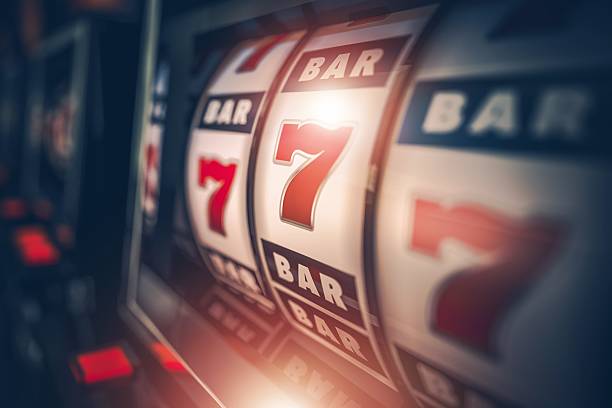
The evolution of gambling began to take shape as societies grew more complex. In ancient Mesopotamia, for instance, the use of dice for games mirrored both leisure and the pursuit of fortune. This dual nature of gambling, serving as both entertainment and a means to win wealth, established a foundation for the modern gaming culture.
The Rise of Casinos in the 17th Century
The establishment of the first formal casinos occurred during the 17th century in Italy. The term «casa,» meaning house, was used to describe venues where gambling could occur legally. These establishments offered a range of games, including early forms of poker and roulette, thereby attracting a diverse clientele seeking thrill and fortune.
Casinos quickly spread throughout Europe, evolving into grand establishments that reflected the opulence of their era. By the late 19th century, locations such as Monte Carlo became synonymous with luxury and high-stakes gambling, setting the stage for the modern casino experience. This evolution not only transformed gambling into a mainstream activity but also embedded it deeper into social culture.
The Influence of Technology on Gambling
The 20th century saw significant advancements in technology, revolutionizing the casino experience. The introduction of electronic gaming machines and online platforms expanded access to gambling, appealing to a broader audience. This technology not only enhanced the speed and variety of games but also introduced new psychological tactics to engage players.
Online casinos, in particular, have reshaped gambling culture by providing a convenient and immersive experience. Players can enjoy a wide variety of games from the comfort of their homes, aided by interactive features and vivid graphics that mimic the thrill of physical casinos. This shift has brought about new strategies in marketing and engagement, employing psychological tactics to keep players invested.
The Psychology Behind Gambling
Understanding the psychological aspects of gambling reveals why it remains such an enticing activity. Casinos employ various tactics to enhance the gaming experience, such as using specific sounds, lighting, and layouts to create an inviting atmosphere. These elements are designed to evoke excitement and prolong player engagement, often leading to extended playtime and increased betting.
Moreover, the concept of loss aversion plays a significant role in gambling psychology. Many players find it difficult to walk away after a losing streak, hoping to recoup their losses. This psychological grip can keep players returning to casinos, illustrating the complex interplay between chance and human behavior in gambling culture.

Modern Casinos and Online Platforms
Today’s casinos, both physical and online, continue to evolve in response to cultural shifts and technological advancements. The rise of mobile gaming has further changed how people engage with gambling, making it more accessible than ever. With a few taps on a smartphone, players can access their favorite games anytime, anywhere.
This ongoing evolution emphasizes the need for safety and security in online gambling environments. Websites prioritize user protection by implementing advanced security measures to ensure a secure browsing experience. As the gambling landscape continues to change, platforms adapt to maintain functionality while prioritizing the safety of their users.